
Back and Neck Pain


Precision Image-Guided Treatments for Lasting Relief
Back and neck pain can significantly affect mobility, sleep, work, and quality of life.
While many patients improve with medications and physiotherapy, some continue to
experience persistent pain due to irritation or inflammation of specific spinal nerves
or joints.
Modern minimally invasive pain procedures offer targeted pain relief without major
surgery. Using real-time imaging guidance, these procedures accurately deliver
medication or treatment to the source of pain.
What Are Interventional Nerve Blocks?
Interventional nerve blocks are minimally invasive procedures performed under
imaging guidance (fluoroscopy/X-ray or ultrasound) to diagnose and treat pain
arising from the spine, joints, or nerves.
These procedures are:
- Performed as day-care procedures
- Minimally invasive
- Usually done under local anaesthesia with mild sedation
- Associated with rapid recovery
- Designed to reduce pain and improve function
Conditions Commonly Treated
Neck Pain
- Cervical spondylosis
- Cervical radiculopathy (“slipped disc” causing arm pain)
- Facet joint arthritis
- Chronic neck stiffness and headache related to cervical spine disease
Back Pain
- Lumbar disc prolapse
- Sciatica
- Facet joint arthritis
- Sacroiliac joint dysfunction
- Chronic low back pain
- Post-surgical persistent pain
Image-Guided Nerve Root Blocks
What Is a Nerve Root Block?
A nerve root block is a targeted injection around an inflamed spinal nerve root
causing pain in the arm or leg.
Using fluoroscopic (X-ray) guidance, medication is precisely delivered around
the irritated nerve root.
Common Symptoms Treated
- Sciatica
- Radiating arm pain
- Tingling or numbness
- Disc-related nerve compression
- Burning or shooting pain
Benefits
- Reduces nerve inflammation
- Improves mobility and sleep
- Helps avoid or delay surgery in selected patients
- Can help identify the exact pain-generating nerve
Facet Joint Blocks
What Are Facet Joints?
Facet joints are small joints in the spine that help with movement and stability.
Arthritis or degeneration of these joints can cause chronic neck or back pain.
Facet joint blocks involve injecting medication into or around these joints under
imaging guidance.
Symptoms Suggestive of Facet Pain
- Localized neck or back pain
- Pain worse on extension or twisting
- Morning stiffness
- Pain without significant leg weakness
Advantages
- Minimally invasive
- Diagnostic and therapeutic
- Can provide significant pain relief
- Helps determine suitability for RF ablation
Radiofrequency (RF) Ablation
What Is RF Ablation?
Radiofrequency ablation is an advanced minimally invasive procedure used for
longer-lasting pain relief.
After identifying the pain-generating nerves, controlled heat generated by
radiofrequency energy is used to interrupt pain signals from those nerves.
Common Indications
- Chronic facet joint pain
- Persistent neck pain
- Chronic low back pain
- Pain recurring after successful diagnostic blocks
Benefits
- Longer duration of relief compared to injections alone
- Reduced dependence on pain medications
- Improved daily activity and rehabilitation
- Minimally invasive day-care procedure
Duration of Relief
Pain relief may last several months to more than a year in appropriately
selected patients.
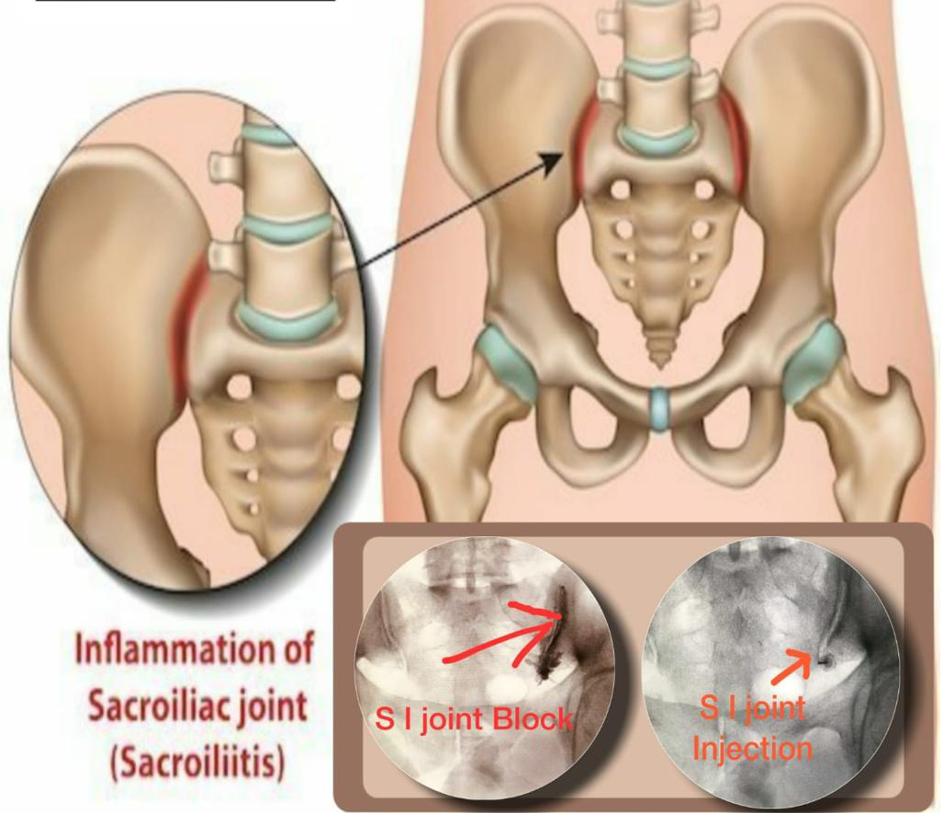
Sacroiliac (SI) Joint Block
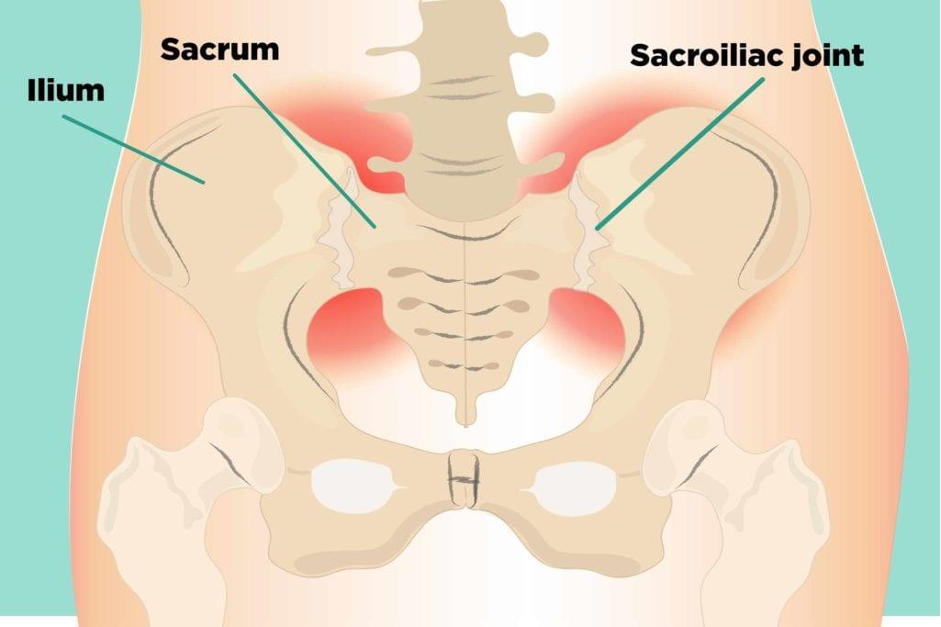
What Is the Sacroiliac Joint?
The sacroiliac joints connect the spine to the pelvis. Dysfunction or inflammation
in these joints can cause lower back and buttock pain.
SI joint injections deliver medication directly into the painful joint under
imaging guidance.
Symptoms of SI Joint Pain
- Pain over the lower back or buttock
- Pain while standing from sitting
- Pain while climbing stairs
- Pain radiating to the thigh
Benefits
- Accurate diagnosis of SI joint pain
- Pain reduction and improved mobility
- Helps guide long-term treatment planning
Why Imaging Guidance Matters
Image guidance improves:
- Precision
- Safety
- Accuracy of medication delivery
- Diagnostic value
- Treatment outcomes
Fluoroscopy and ultrasound allow real-time visualization during the procedure.
What to Expect During the Procedure
Before the Procedure
- Clinical evaluation and imaging review
- Medication review
- Short fasting period if sedation is planned
During the Procedure
- Usually performed under local anaesthesia
- Mild sedation may be used
- Imaging guidance ensures precise needle placement
- Most procedures take 20–45 minutes
After the Procedure
- Observation for a short period
- Same-day discharge in most cases
- Gradual return to activities
Are These Procedures Safe?
These procedures are generally safe when performed by experienced specialists
using sterile technique and imaging guidance.
Potential risks are uncommon but may include:
- Temporary soreness
- Bleeding
- Infection
- Allergic reaction
- Temporary numbness or weakness
Your doctor will discuss the benefits and risks before the procedure.
When Should You Consider Interventional Pain Procedures?
You may benefit if:
- Pain persists despite medications and physiotherapy
- Pain affects daily activities or sleep
- MRI shows disc disease or arthritis correlating with symptoms
- You wish to explore minimally invasive options before surgery
- Pain has become chronic and disabling
Comprehensive Spine & Pain Care
Treatment is individualized and may include:
- Physiotherapy and rehabilitation
- Lifestyle modification
- Medication optimization
- Image-guided interventions
- Surgical consultation when necessary
The goal is not only pain relief, but restoration of function, mobility,
and quality of life.
Book a Consultation
For comprehensive evaluation and management of chronic neck pain, back pain, sciatica, facial pain, and other spine-related pain syndromes, consult Dr. Sneha Chitra, a specialist in advanced image-guided interventional pain procedures and neuromodulation therapies.

