Brain & Spine Tumours
Comprehensive Neurosurgical Care for Brain and Spinal Tumours
Brain and spine tumours can affect movement, sensation, speech, memory, balance, vision, and overall quality of life. Modern neurosurgical treatment focuses not only on safe tumour removal, but also on preserving neurological function and helping patients return to active life.
At our centre, treatment is individualized using advanced imaging, precision microsurgery, minimally invasive techniques, neuronavigation, and multidisciplinary care.
What Are Brain and Spine Tumours?
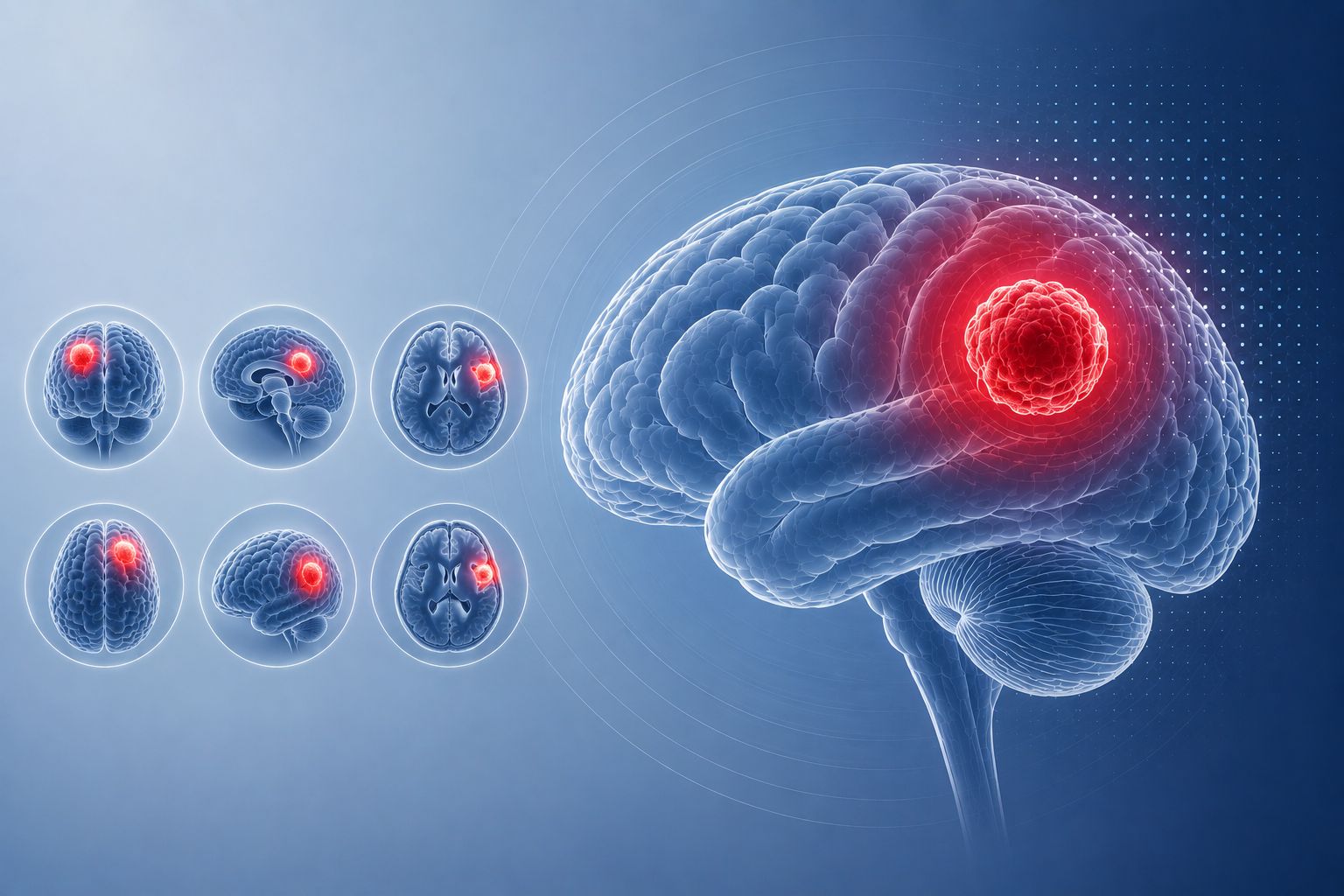
Tumours are abnormal growths of cells that develop in the brain, spinal cord, nerves, or surrounding structures.
They May Be:
Benign (Non-Cancerous)
Slow-growing tumours that may still cause symptoms because of pressure on important structures.
Malignant (Cancerous)
Faster-growing tumours that may invade nearby tissues.
Common Brain Tumours
Gliomas
Examples include:
- Low-grade glioma
- High-grade glioma
- Glioblastoma
Meningioma
Usually benign tumours arising from the covering of the brain.
Pituitary Tumours
Tumours affecting hormone-producing glands at the base of the brain.
Acoustic Neuroma / Vestibular Schwannoma
Tumours affecting hearing and balance nerves.
Metastatic Brain Tumours
Tumours that spread to the brain from cancers elsewhere in the body.
Symptoms That Need Medical Attention
Brain Tumour Symptoms
- Persistent headaches
- Vomiting
- Seizures
- Weakness of arms or legs
- Speech difficulty
- Vision problems
- Balance issues
- Memory or personality changes
Spine Tumour Symptoms
- Persistent neck or back pain
- Pain radiating to arms or legs
- Progressive weakness
- Numbness or tingling
- Walking difficulty
- Loss of bladder or bowel control
How Are Brain and Spine Tumours Diagnosed?
Clinical Neurological Evaluation
A detailed neurological examination helps assess brain and spinal cord function.
MRI Scan
The most important imaging test for tumour diagnosis and surgical planning.
Advanced Imaging
May include:
- Functional MRI (fMRI)
- Diffusion Tensor Imaging (DTI)
- MR Spectroscopy
- PET Scan
Biopsy
A small tissue sample may be needed to confirm tumour type.
Neurosurgical Treatment Options
Treatment depends on:
- Tumour type
- Size and location
- Symptoms
- Patient age and health
- Neurological function
Brain Tumour Surgery
Modern neurosurgery aims for:
- Maximum safe tumour removal
- Preservation of speech, movement, vision, and cognition
- Faster recovery and rehabilitation
Microsurgical Tumour Removal
Benefits
- Better tumour removal
- Reduced injury to normal brain
- Improved symptom relief
- Better long-term outcomes
Neuronavigation Guided Surgery
“GPS for the Brain”
Advantages
- Improved surgical accuracy
- Smaller openings when appropriate
- Safer surgery near critical brain areas
Awake Brain Surgery
Helps preserve:
- Speech
- Language
- Movement
- Memory function
Endoscopic Brain Surgery
Commonly used for:
- Pituitary tumours
- Ventricular tumours
- Selected skull base lesions
Benefits
- Smaller incisions
- Less pain
- Faster recovery
- Shorter hospital stay
Spine Tumour Surgery
Goals include:
- Tumour removal
- Spinal cord decompression
- Pain relief
- Preservation of mobility and function
- Spinal stabilization when required
Minimally Invasive Spine Surgery
Advantages
- Reduced muscle injury
- Less postoperative pain
- Faster mobilisation
- Shorter recovery time
Additional Treatment Options
Radiation Therapy
High-precision radiation to target tumour cells.
Stereotactic Radiosurgery
Focused radiation treatment for selected tumours.
Chemotherapy
Medications used for certain tumour types.
Targeted and Molecular Therapies
Personalized treatments based on tumour genetics.
Advanced Technologies in Modern Neurosurgery
- Intraoperative Neuro-Monitoring
- Fluorescence Guided Surgery
- Intraoperative Imaging
- Skull Base Surgery Techniques
Recovery After Surgery
Patients may benefit from:
- Physiotherapy
- Speech Therapy
- Neuro-Rehabilitation
- Pain Management
- Long-Term Follow-Up Imaging
Most patients gradually return to normal daily activities with appropriate rehabilitation and follow-up care.
When Should You Seek Urgent Medical Attention?
- Sudden weakness
- New seizures
- Severe headache with vomiting
- Sudden vision loss
- Altered consciousness
- Rapid worsening of neurological symptoms
Our Approach to Brain & Spine Tumour Care
We provide:
- Comprehensive neurological evaluation
- Advanced imaging-based planning
- Precision microsurgical techniques
- Minimally invasive options where appropriate
- Multidisciplinary tumour board care
- Long-term rehabilitation and follow-up
Our goal is to combine:
Precision • Safety • Function • Quality of Life
Consult Dr. Snehachitra If You Have
- Persistent headaches
- Seizures
- Progressive weakness
- Unexplained neurological symptoms
- Persistent neck or back pain with nerve symptoms
- Known brain or spine tumour diagnosis requiring specialist evaluation

