Head Injury & Cranial Reconstruction Care
Comprehensive Neurosurgical Care for Brain Trauma, Chronic Subdural Haematoma & Cranioplasty
Head injuries can range from mild concussions to severe traumatic brain injuries requiring emergency neurosurgical care. Timely diagnosis and expert treatment are critical in preventing long-term neurological complications and restoring quality of life.
Dr. B. Sneha Chitra provides comprehensive management for traumatic brain injuries with a special focus on:
- Emergency neurosurgical care
- Chronic subdural haematoma treatment
- Minimally invasive burr hole surgery
- Decompressive craniectomy
- Cranial reconstruction and cranioplasty
- Neurocritical care and rehabilitation guidance
The goal is not only lifesaving treatment, but also restoring neurological function, independence, and long-term recovery.
Understanding Head Injury
A head injury occurs when trauma affects the scalp, skull, or brain.
Injuries may occur due to:
- Road traffic accidents
- Falls, especially in elderly individuals
- Sports injuries
- Workplace trauma
- Assault or impact injuries
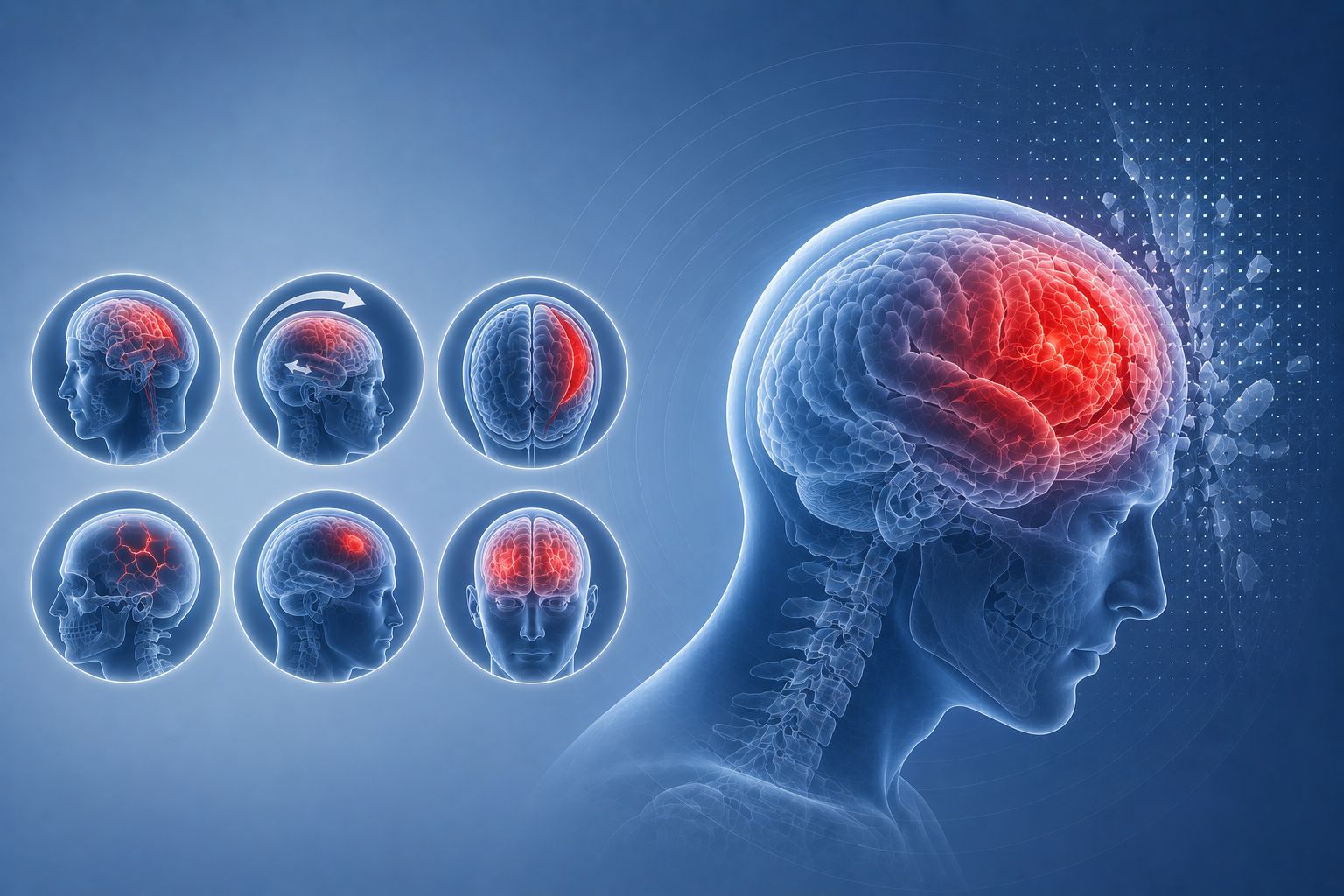
Brain injuries can cause bleeding, swelling, raised pressure inside the skull, or skull defects requiring urgent surgery.
Common Symptoms After Head Injury
Seek immediate medical attention if any of the following occur after trauma:
- Loss of consciousness
- Persistent headache
- Vomiting
- Drowsiness or confusion
- Weakness of arm or leg
- Speech difficulty
- Seizures
- Behavioural changes
- Memory disturbance
- Imbalance while walking
In elderly patients, symptoms may develop gradually over days or weeks, especially in chronic subdural haematoma.
Chronic Subdural Haematoma (CSDH)
What is Chronic Subdural Haematoma?
A chronic subdural haematoma is a collection of old blood over the surface of the brain, usually occurring weeks after a minor head injury.
It is especially common in:
- Elderly individuals
- Patients on blood thinners
- Patients with alcohol dependence
- Individuals with recurrent falls
Sometimes the injury may appear trivial and be forgotten entirely.
Symptoms of CSDH
- Progressive headache
- Increasing sleepiness
- Memory problems
- Personality changes
- Difficulty walking
- Weakness on one side of the body
- Speech disturbances
Because symptoms can mimic stroke or dementia, early imaging is extremely important.
Treatment of Chronic Subdural Haematoma
Observation
Small collections without significant symptoms may occasionally be monitored with serial imaging.
Burr Hole Drainage Surgery
This is the most common and effective treatment.
Procedure
- Small openings (burr holes) are created in the skull
- The collected blood is drained
- Irrigation is performed to decompress the brain
- A temporary drain may be placed for 24–48 hours
Advantages
- Minimally invasive
- Shorter recovery time
- Rapid improvement in symptoms
- Especially effective in elderly patients
Most patients show significant neurological recovery within days following surgery.
Severe Head Injury & Emergency Neurosurgery
Severe traumatic brain injury may lead to:
- Brain swelling
- Acute bleeding inside the skull
- Raised intracranial pressure
- Skull fractures
Emergency surgery may be required to relieve pressure and save brain function.
Surgical Procedures May Include
- Craniotomy for clot evacuation
- Decompressive craniectomy
- Skull fracture elevation
- ICP monitoring
- CSF diversion procedures
Management often involves multidisciplinary neurocritical care and rehabilitation planning.
Cranioplasty (Cranial Reconstruction)
What is Cranioplasty?
Cranioplasty is a surgical procedure performed to repair a skull defect after previous brain surgery or trauma.
After decompressive craniectomy, part of the skull may be temporarily removed to allow the swollen brain to expand safely. Once the brain swelling settles, reconstruction is performed.
Why is Cranioplasty Important?
Cranioplasty helps:
- Protect the brain
- Restore skull contour and appearance
- Improve neurological recovery
- Reduce discomfort over the defect
- Enhance confidence and quality of life
In selected patients, neurological improvement in speech, cognition, balance, or mobility may occur after reconstruction.
Types of Cranioplasty
Autologous Bone Flap Replacement
The patient’s own preserved bone may be replaced.
Custom Cranial Implants
Patient-specific implants may be created using:
- Titanium
- PEEK implants
- Medical-grade acrylic materials
Modern 3D planning allows excellent cosmetic and functional reconstruction.
Recovery & Rehabilitation
Recovery after head injury varies depending on:
- Severity of trauma
- Age of the patient
- Timing of treatment
- Associated neurological injury
Rehabilitation may involve:
- Physiotherapy
- Speech therapy
- Cognitive rehabilitation
- Occupational therapy
- Neuropsychological support
Long-term follow-up is important for optimal recovery.
When Should You Seek Urgent Neurosurgical Attention?
Immediate evaluation is recommended if a patient develops:
- Sudden drowsiness
- Weakness or paralysis
- Repeated vomiting
- Seizures
- Worsening headache
- Behavioural changes after trauma
- Decline in consciousness
Early diagnosis and intervention can significantly improve outcomes.
A Personalised Approach to Brain Trauma Care
Management of head injury requires rapid decision-making, meticulous surgical care, and compassionate support for both patients and families.
Dr. Sneha Chitra offers evidence-based and patient-focused management for:
- Head injury and traumatic brain injury
- Chronic subdural haematoma
- Emergency neurosurgery
- Cranial reconstruction and cranioplasty
- Neurorehabilitation guidance
Care is tailored to achieve the best possible neurological and functional recovery for every patient.
Areas of Expertise
- Chronic subdural haematoma evacuation
- Burr hole drainage procedures
- Emergency trauma neurosurgery
- Craniotomy and decompressive craniectomy
- Cranioplasty and cranial reconstruction
- Neurocritical care coordination
- Brain trauma rehabilitation planning
Book a Consultation
For consultation, second opinion, or emergency neurosurgical evaluation for head injury, traumatic brain injury, chronic subdural haematoma, or cranial reconstruction, consult Dr. B. Sneha Chitra, specialist in Brain and Spine Surgery, Functional Neurosurgery, and Advanced Neurosurgical Care.

