
Spinal Disc Prolapse (Slipped Disc)

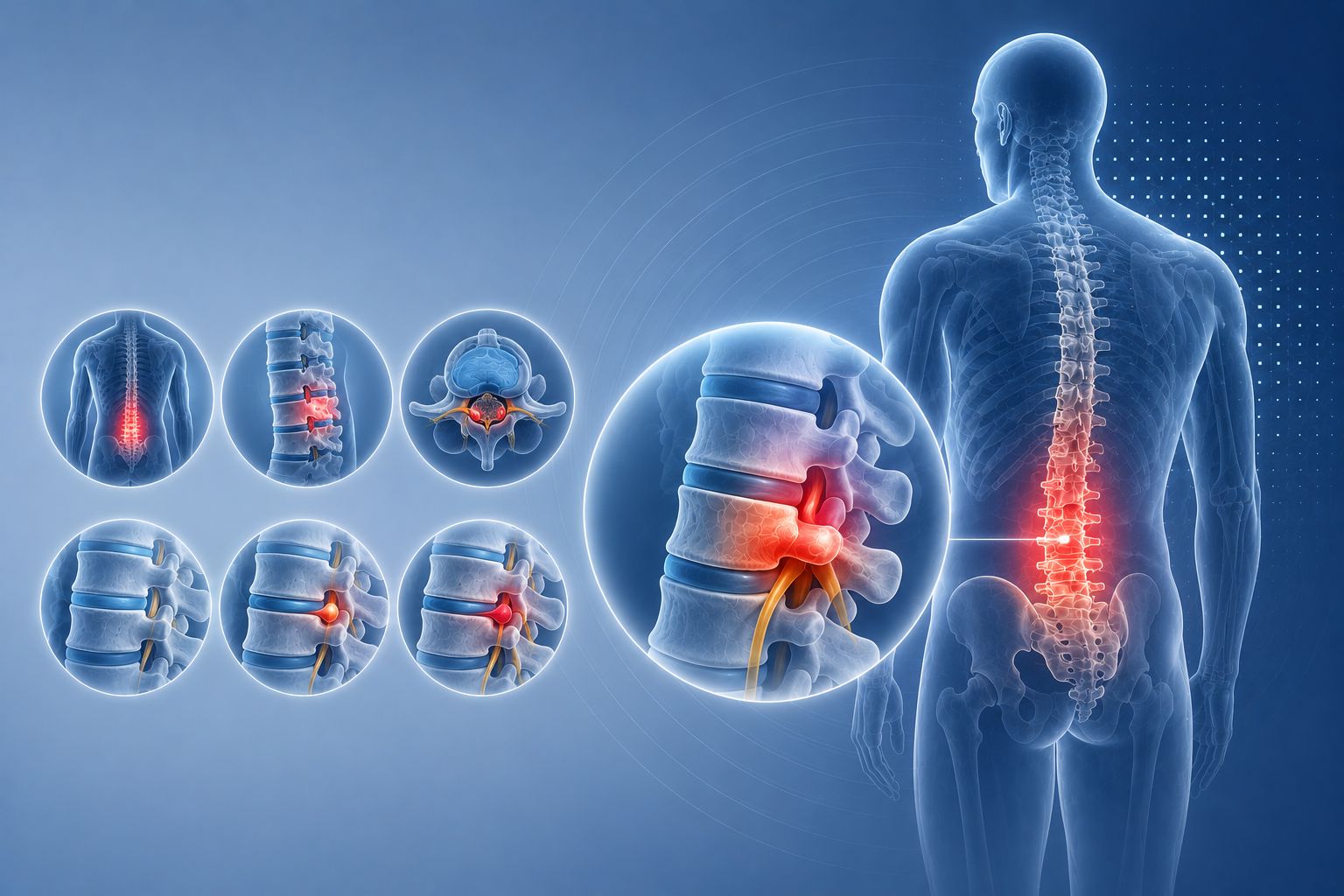
Spinal Disc Prolapse (Slipped Disc)
What Is a Spinal Disc Prolapse?
A spinal disc prolapse, commonly known as a “slipped disc,” occurs when the soft inner portion of a spinal disc bulges or protrudes through its outer layer, causing pressure on nearby nerves.
It most commonly affects the neck (cervical spine) or lower back (lumbar spine).
Common Symptoms
- Neck or back pain
- Pain radiating to the arm or leg (sciatica)
- Numbness or tingling
- Weakness in the arm, hand, leg, or foot
- Difficulty walking or performing daily activities
- In severe cases, bladder or bowel dysfunction
Diagnosis
Evaluation typically includes:
- Clinical and neurological examination
- MRI scan of the spine
- X-rays or CT scan when required
Treatment Options
Most patients improve with non-surgical treatment, including:
- Medications
- Physiotherapy
- Lifestyle and ergonomic modifications
Interventional Pain Management
For patients with persistent pain despite conservative treatment, minimally invasive image-guided procedures can provide significant relief and may help avoid or delay surgery.
Common Procedures
- Selective Nerve Root Injection (SNRI)
- Epidural Steroid Injection (ESI)
Surgical Options
Surgery may be recommended when:
- Pain is severe or persistent
- Weakness develops or progresses
- There is significant nerve compression
- Bladder or bowel symptoms occur
Common Surgical Procedures Include
- Microdiscectomy
- Minimally invasive decompression procedures
- Cervical disc surgery and fusion, when indicated
Our Expertise
- Cervical and lumbar disc prolapse
- Sciatica and nerve compression syndromes
- Image-guided nerve root injections
- Epidural steroid injections
- Minimally invasive spine surgery
- Microdiscectomy
- Revision disc surgery
- Complex spinal decompression procedures
We offer a comprehensive, stepwise approach to disc prolapse management, ranging from advanced interventional pain procedures to microsurgical treatment when required.
Early evaluation and treatment can provide effective pain relief, prevent nerve damage, and help patients return to normal activities quickly and safely.
Spinal Tumours
What Are Spinal Tumours?
Spinal tumours are abnormal growths that develop within or around the spinal cord and spine.
They may be benign (non-cancerous) or malignant (cancerous) and can cause pressure on the spinal cord and nerves, leading to pain and neurological symptoms.
Common Symptoms
- Persistent neck or back pain
- Pain radiating to the arms or legs
- Numbness or tingling
- Weakness in the limbs
- Difficulty walking or maintaining balance
- Bladder or bowel disturbances
Diagnosis
Evaluation typically includes:
- Neurological examination
- MRI scan of the spine
- CT scan when required
- Biopsy in selected cases
Treatment Options
Treatment depends on the tumour type, location, and symptoms and may include:
- Microsurgical tumour removal
- Minimally invasive spine surgery
- Spinal stabilization procedures
- Radiation therapy
- Chemotherapy for selected tumours
Our Expertise
- Intramedullary spinal cord tumours
- Meningiomas and Schwannomas
- Metastatic spinal tumours
- Microsurgical tumour excision
- Spinal cord decompression
- Complex spinal reconstruction
Early diagnosis and timely treatment can help preserve neurological function, relieve pain, and improve quality of life.
Book a Consultation
For evaluation of spinal disc prolapse, sciatica, nerve compression syndromes, or spinal tumours, consult Dr. B. Sneha Chitra, specialist in Brain and Spine Surgery, Functional Neurosurgery, and Advanced Pain Management.

