
Hydrocephalus & Normal Pressure Hydrocephalus (NPH)

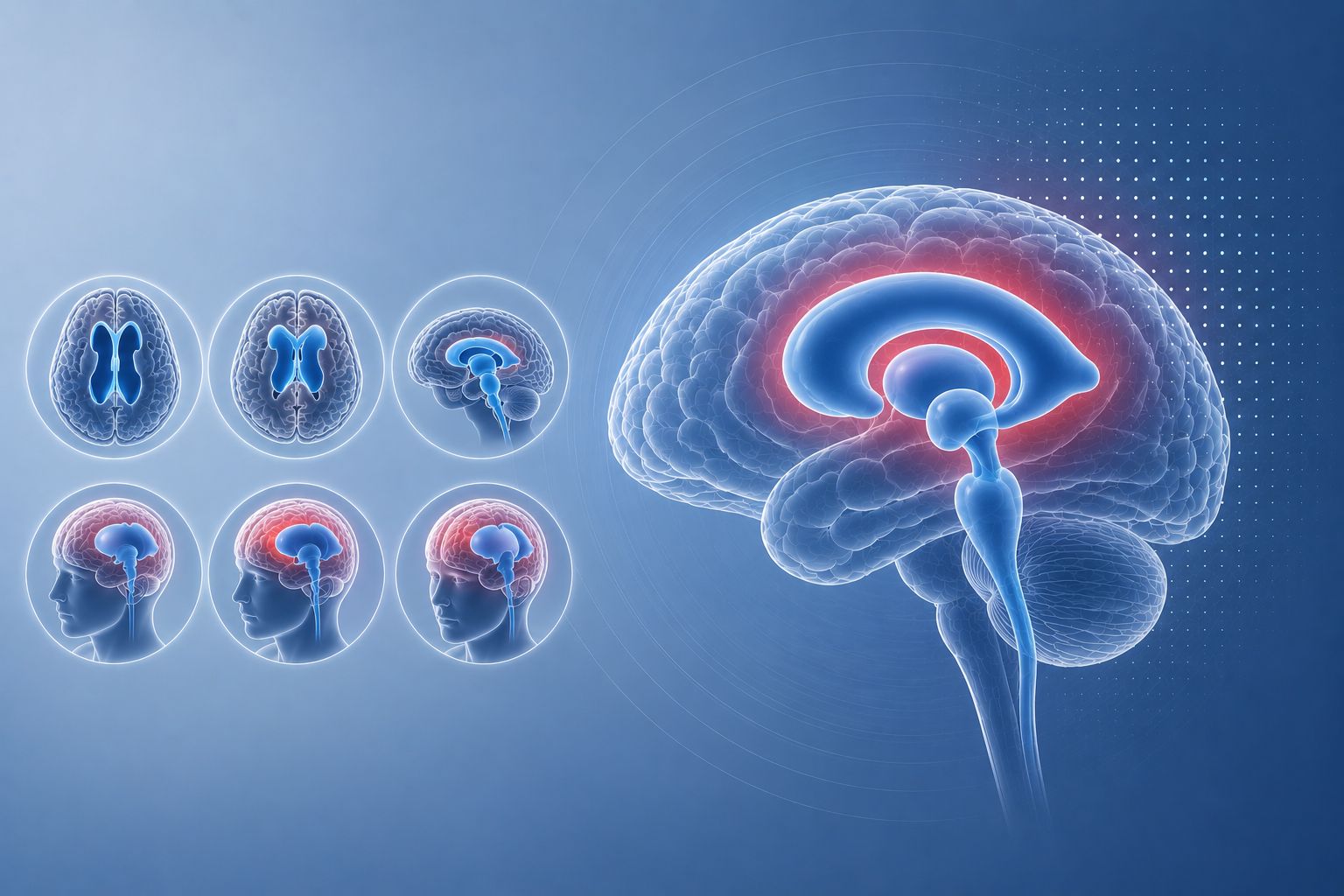
Advanced Evaluation and Shunt Surgery
Restoring Balance, Mobility and Independence Through Modern Neurosurgical Care
Hydrocephalus is a neurological condition caused by abnormal accumulation of cerebrospinal fluid (CSF) within the brain. When untreated, it can affect walking, memory, balance, vision, and overall quality of life.
With modern neurosurgical treatment, many patients can achieve significant improvement in symptoms and functional independence.
What is Hydrocephalus?
The brain continuously produces cerebrospinal fluid (CSF), which circulates around the brain and spinal cord before being naturally absorbed into the bloodstream.
Hydrocephalus develops when:
- CSF flow is blocked
- CSF absorption is impaired
- Fluid accumulates excessively within the brain ventricles
This can enlarge the ventricles and place pressure on surrounding brain tissue.
Common Causes of Hydrocephalus
Hydrocephalus may occur at any age and can result from:
- Congenital abnormalities
- Brain tumours
- Brain haemorrhage
- Head injury
- Meningitis or infections
- Previous neurosurgery
- Age-related CSF circulation disorders
Normal Pressure Hydrocephalus (NPH)
A Treatable Cause of Walking and Memory Problems
Normal Pressure Hydrocephalus (NPH) is a specialised form of hydrocephalus commonly affecting older adults.
It is frequently underdiagnosed because symptoms can resemble:
- Parkinson’s disease
- Age-related imbalance
- Dementia
- General ageing
Typical Symptoms of NPH
Walking Difficulty
Often the earliest and most important symptom:
- Slow shuffling gait
- Difficulty initiating walking
- Imbalance and falls
- “Feet stuck to the floor” sensation
Memory & Cognitive Changes
- Forgetfulness
- Slowed thinking
- Reduced concentration
- Decline in day-to-day functioning
Urinary Symptoms
- Urgency
- Frequency
- Loss of bladder control
Early recognition is important because NPH is one of the few potentially reversible causes of gait and cognitive decline in elderly patients.
Comprehensive Evaluation
Accurate diagnosis is essential to identify patients who may benefit from surgery.
Detailed Neurological Assessment
Comprehensive clinical examination focusing on:
- Gait and balance
- Cognitive function
- Movement disorders
- Functional status
Advanced Brain Imaging
MRI or CT imaging helps assess:
- Enlarged ventricles
- CSF flow pathways
- Associated brain conditions
CSF Tap Test
A controlled lumbar puncture procedure where CSF is temporarily removed to assess improvement in:
- Walking
- Balance
- Cognition
This is an important predictive test in NPH.
Gait & Functional Assessment
Objective walking evaluation before and after CSF drainage helps determine potential benefit from shunt surgery.
Treatment Options
Observation
Selected stable patients may require monitoring alone.
Endoscopic Third Ventriculostomy (ETV)
Suitable for selected obstructive hydrocephalus cases where internal CSF pathways can be restored using minimally invasive endoscopic surgery.
Shunt Surgery
The most established and effective treatment for many forms of hydrocephalus and NPH.
Shunt Surgery for Hydrocephalus & NPH
Ventriculo-Peritoneal (VP) Shunt
A VP shunt diverts excess CSF:
- From the brain ventricles
- Through a thin tube placed under the skin
- Into the abdominal cavity where the fluid is naturally absorbed
The system includes:
- Ventricular catheter
- Pressure-regulating valve
- Distal drainage catheter
Modern Programmable Shunt Systems
Advanced programmable valves allow:
- Non-invasive pressure adjustment
- Individualised CSF drainage control
- Better symptom optimisation
- Reduced risk of over- or under-drainage
Image-guided techniques improve surgical precision and safety.
Benefits of Shunt Surgery
In Hydrocephalus
Treatment may help:
- Relieve pressure symptoms
- Improve headaches and vision
- Improve balance and function
In NPH
Many patients experience improvement in:
- Walking speed and stability
- Balance and falls
- Bladder control
- Cognitive function
- Independence and quality of life
Walking improvement is often the earliest and most noticeable change after surgery.
Surgical Experience
Shunt surgery is typically:
- Performed under general anaesthesia
- Minimally invasive
- Completed within 1–2 hours
- Associated with short hospital stay
Early mobilisation and rehabilitation are encouraged following surgery.
Recovery & Rehabilitation
Recovery varies depending on:
- Duration of symptoms
- Age and overall health
- Associated neurological conditions
Some patients improve rapidly, while others continue gradual recovery over weeks to months.
Physiotherapy and gait rehabilitation may further enhance outcomes.
Long-Term Follow-Up
Hydrocephalus is a chronic condition that requires continued follow-up.
Long-term care may include:
- Clinical monitoring
- MRI/CT imaging
- Valve setting adjustments
- Shunt surveillance
- Occasional revision procedures if required
When Should You Seek Evaluation?
Consult a neurosurgical specialist if you or a loved one has:
- Progressive walking difficulty
- Frequent falls
- Memory decline
- Urinary incontinence with gait changes
- Symptoms of raised intracranial pressure
- Previously diagnosed hydrocephalus requiring follow-up
Early diagnosis and timely treatment can significantly improve function and independence.
Specialised Hydrocephalus & NPH Care
Comprehensive management focuses on:
- Accurate diagnosis
- Careful patient selection
- Advanced imaging-based planning
- Modern programmable shunt systems
- Precision neurosurgical techniques
- Long-term functional improvement
Expertise Areas
- Adult Hydrocephalus
- Normal Pressure Hydrocephalus (NPH)
- Complex & Revision Shunt Surgery
- Programmable VP Shunts
- Endoscopic CSF Diversion Procedures
- Image-Guided Neurosurgery
- Gait & Functional Outcome Assessment
Book a Consultation
For evaluation of hydrocephalus, Normal Pressure Hydrocephalus (NPH), walking difficulty, balance disorders, memory decline, or shunt-related concerns, consult Dr. B. Sneha Chitra, specialist in Functional Neurosurgery and Advanced Neurosurgical Care.

